Job interview
The interview is about what you say, so the tie should look careful and then stay out of the way. Etiquette and style guides share one idea: dress a little smarter than the people who already work there.
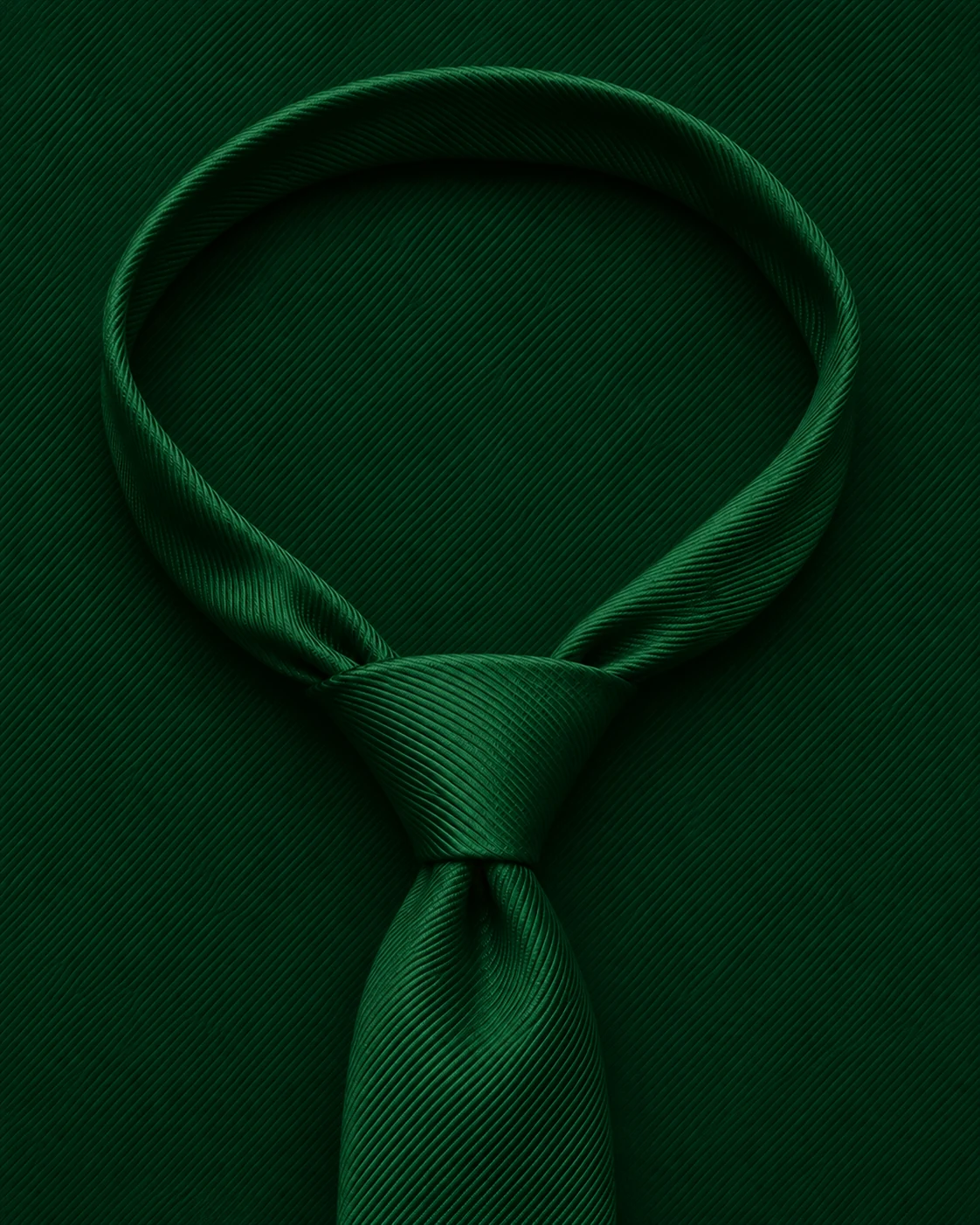
Colours that suit it
Navy. The safest tie there is. It goes with almost any suit and shirt and doesn't draw the eye.
Knots that fit
Pattern and fabric
A plain tie, or a small and quiet pattern such as tiny dots or a fine stripe. If your shirt is striped, a plain tie keeps the two from competing. Silk is the usual choice, and a textured silk such as grenadine looks classic without any shine. Very shiny satin tends to look cheap.
Which knot
-
Half Windsor
Neat and symmetrical, and a step more formal than the Four‑in‑Hand, which suits an interview.
-
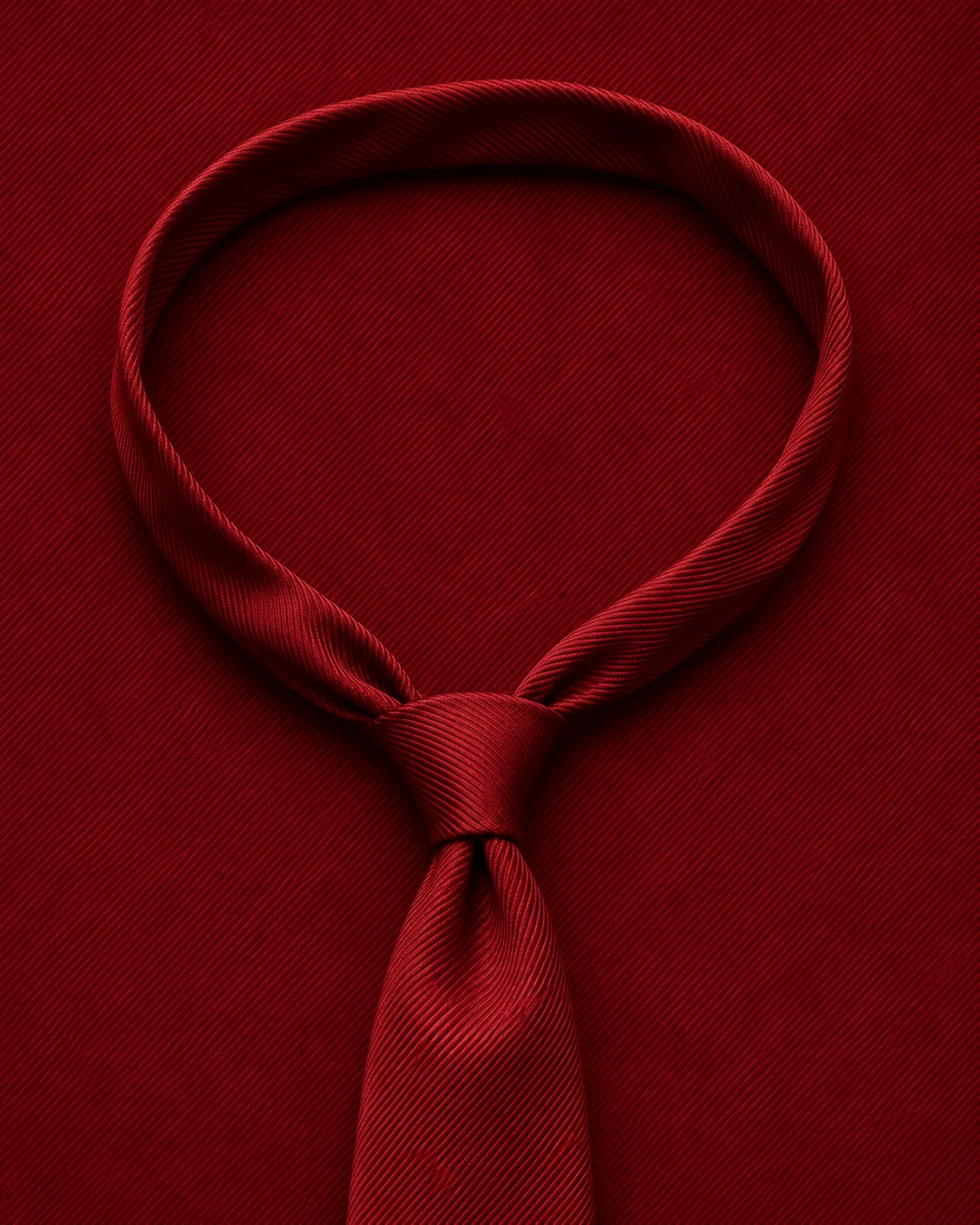
Four‑in‑Hand
Small and neat. British etiquette advice suggests it, or the Half Windsor, with a suit.
-
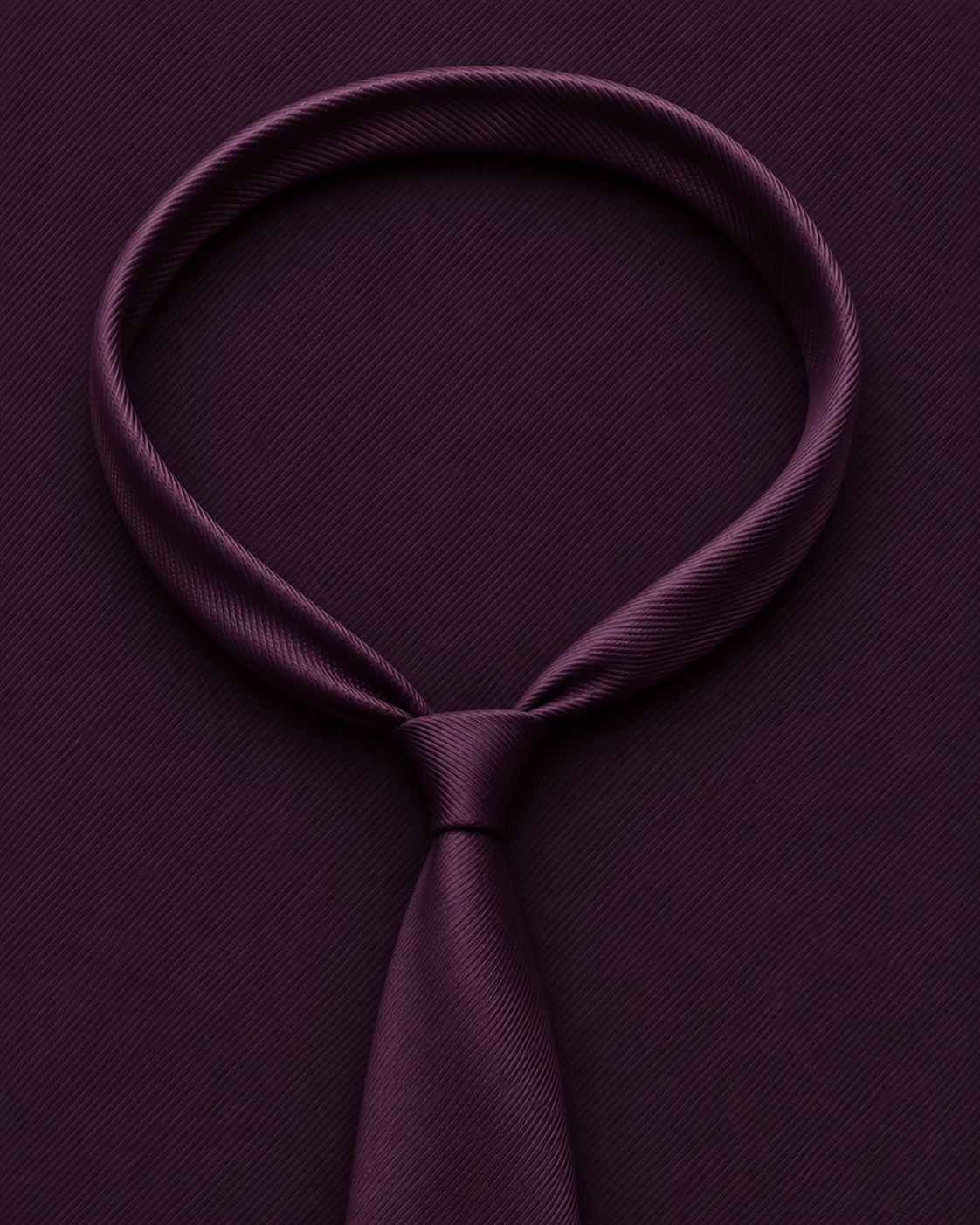
Oriental
The smallest knot. Good when your tie is thick or short and your collar is classic.
It depends
- Not sure what they wear?
- Call or visit before the day and ask. Then go one step smarter: if they wear a jacket and tie, wear a suit.
- Banks and law firms
- The most formal places to interview. A dark suit and a plain, dark tie are the safe choice.
- Creative work
- Advice is split. Some guides still say suit and tie, others say a blazer and trousers fit in better. What people there wear settles it.
- Tech and start-ups
- A tie is often optional. If you wear one, keep it simple and skip bright prints and graphics.
Better left at home
- Bright, shiny or busy ties, which pull attention away from what you say.
- A very large knot. Some guides warn that a Full Windsor can look like too much.
- Novelty knots such as the Eldredge, which can look as if you don't take the job seriously.